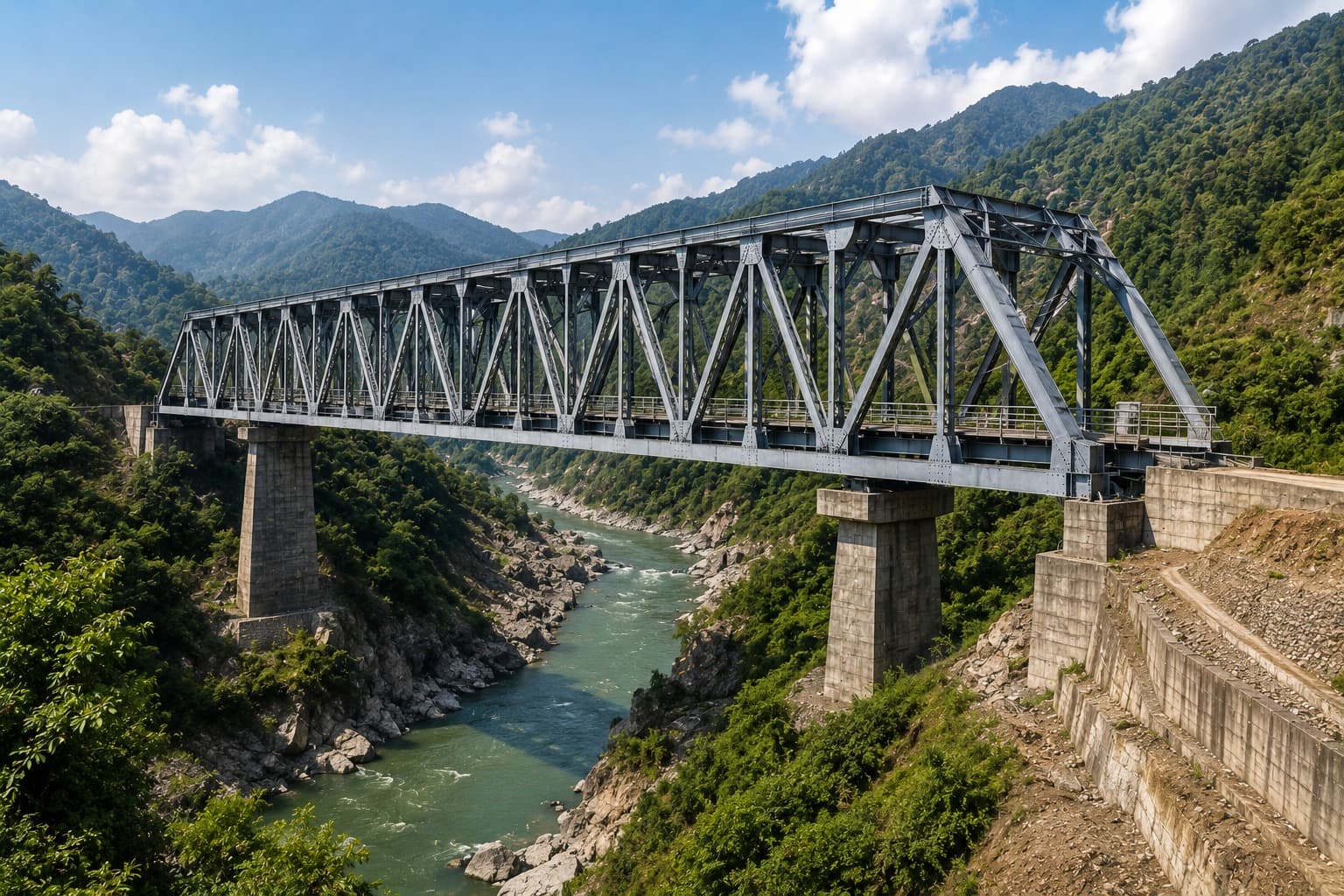
Northeast India is a region defined by its breathtaking but incredibly challenging geography. Majestic mountains, deep river valleys, and heavy seasonal rainfall make connectivity a persistent challenge. Bridging these natural barriers is essential for economic integration, defense logistics, and improving the quality of life for local communities. Among the various bridging technologies available, Steel Truss Bridges have emerged as the backbone of the region's transport networks, serving as reliable links across the Brahmaputra and its numerous tributaries.
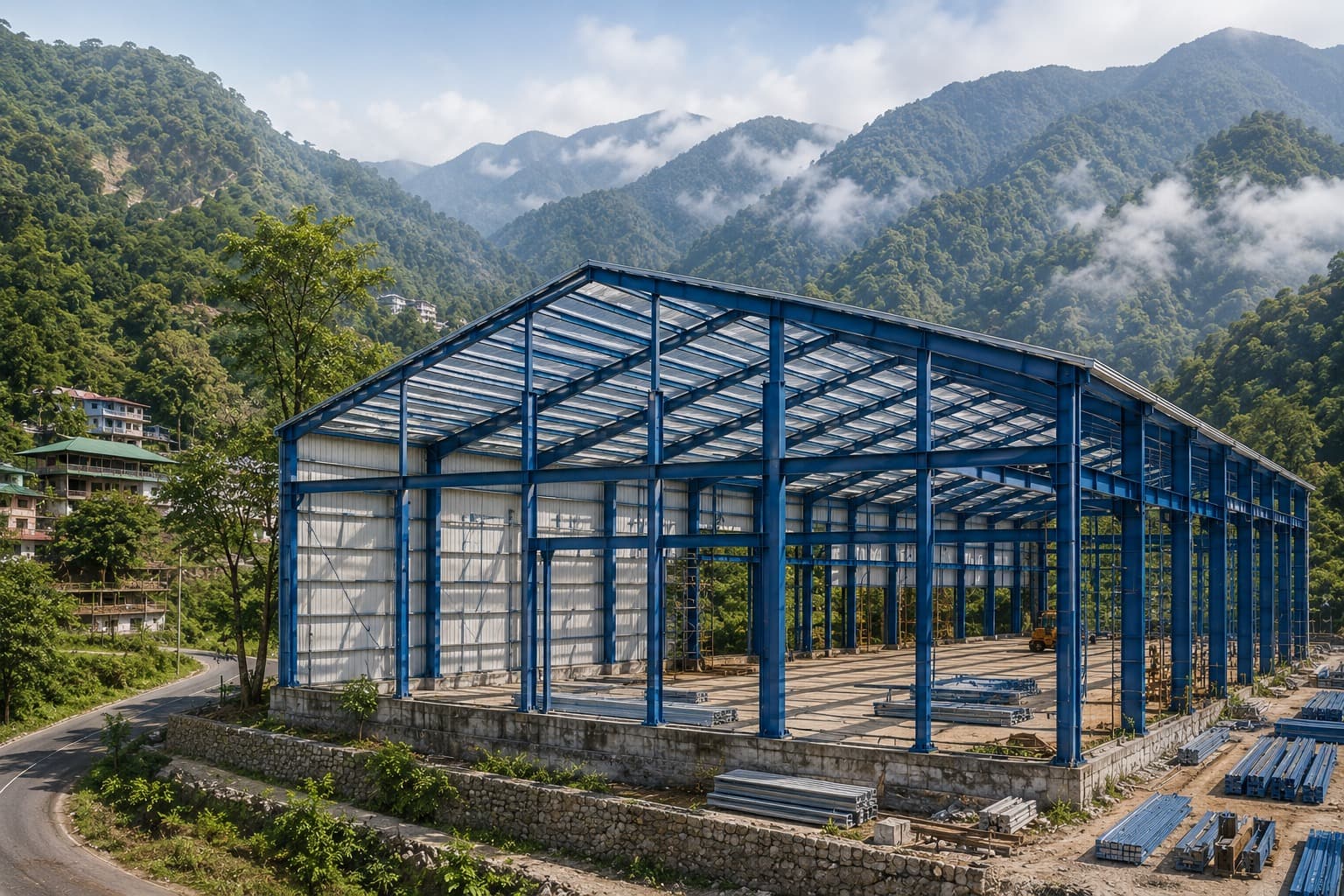
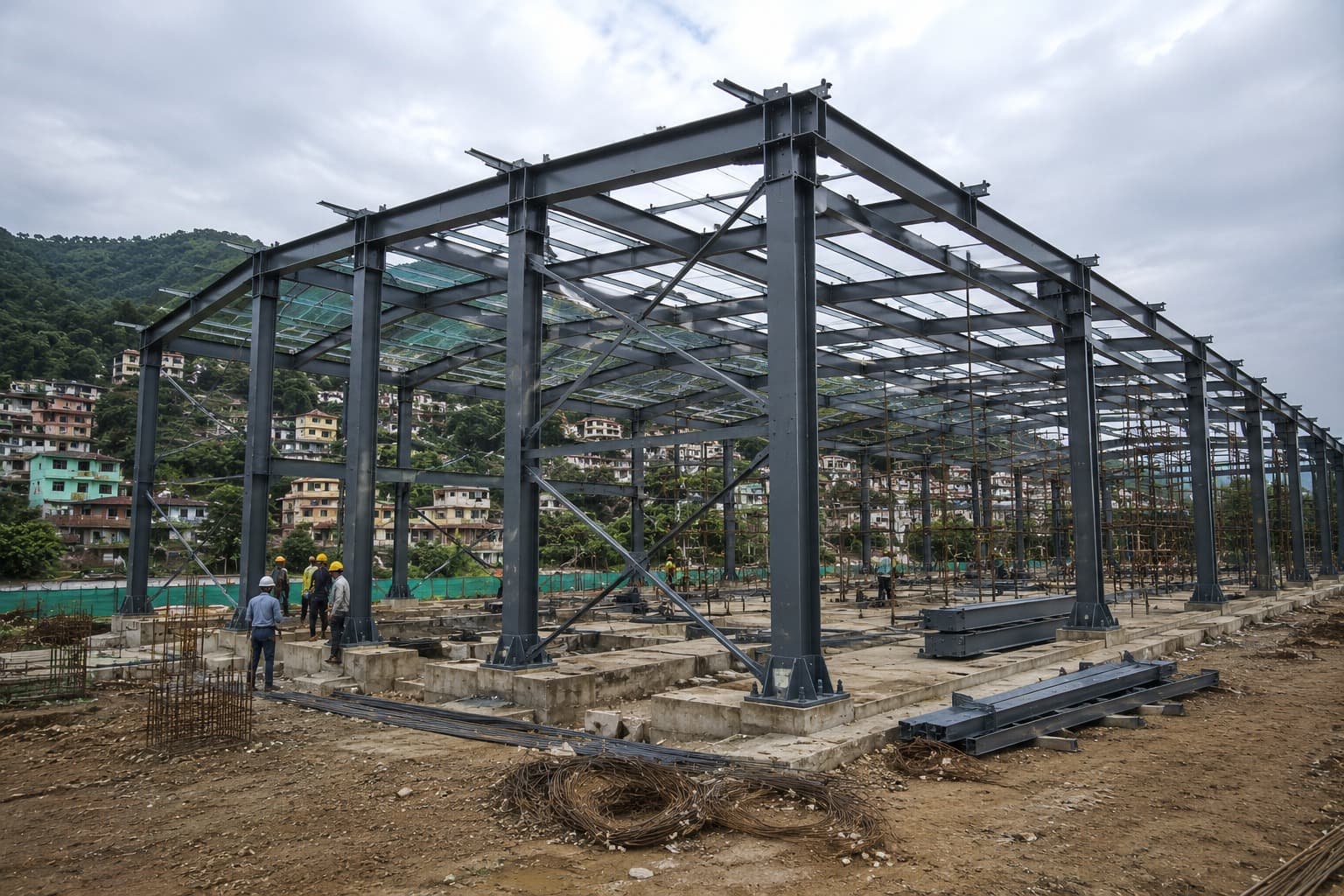
A steel truss bridge relies on a framework of interconnected triangular members, which efficiently distributes loads through tension and compression forces. This geometric efficiency allows truss bridges to span long distances while using significantly less material than solid bridge structures, making them highly cost-effective and structurally superior. In the rugged terrains of Meghalaya, Nagaland, and Arunachal Pradesh, where transporting heavy concrete components is logistically difficult, modular steel truss members can be fabricated in our Guwahati workshop, transported in manageable sections, and assembled on-site with high precision.
Fabricating bridge structures requires the highest level of engineering design services and quality control. At Structro Infratech, we utilize high-strength structural steel conforming to Indian standards such as IS 2062 Grade E250 or E350. The steel plates and profiles undergo rigorous surface preparation, including automatic shot blasting to achieve an SA 2.5 profile, followed by the application of multi-coat epoxy primer and polyurethane finish paints to combat corrosion in high-humidity zones. Every single weld is subjected to non-destructive testing (NDT), including ultrasonic and radiographic inspections, ensuring zero defects in critical load-bearing joints.
On-site erection of steel bridges in Northeast India presents unique challenges, particularly during the monsoon when river currents are swift and unpredictable. Our bridge division utilizes advanced erection techniques, such as the cantilever launching method, which allows the bridge to be pushed across the piers from one bank without the need for extensive scaffolding in the riverbed. This minimizes environmental disruption, protects workers from hazardous water conditions, and ensures that projects can proceed even during high-water seasons. Our compliance with Indian Road Congress (IRC) and PWD specifications guarantees that every bridge is built to last.
From modular footover bridges in bustling Guwahati to heavy-duty railway and road bridges in remote districts, steel engineering is the unsung hero of Northeast connectivity. Every bridge completed is a testament to the perseverance of our engineering teams and our commitment to building a safer, more connected nation. As we continue to collaborate with government agencies like NHAI, NHIDCL, and State PWDs, we look forward to engineering new pathways of progress across this beautiful region.