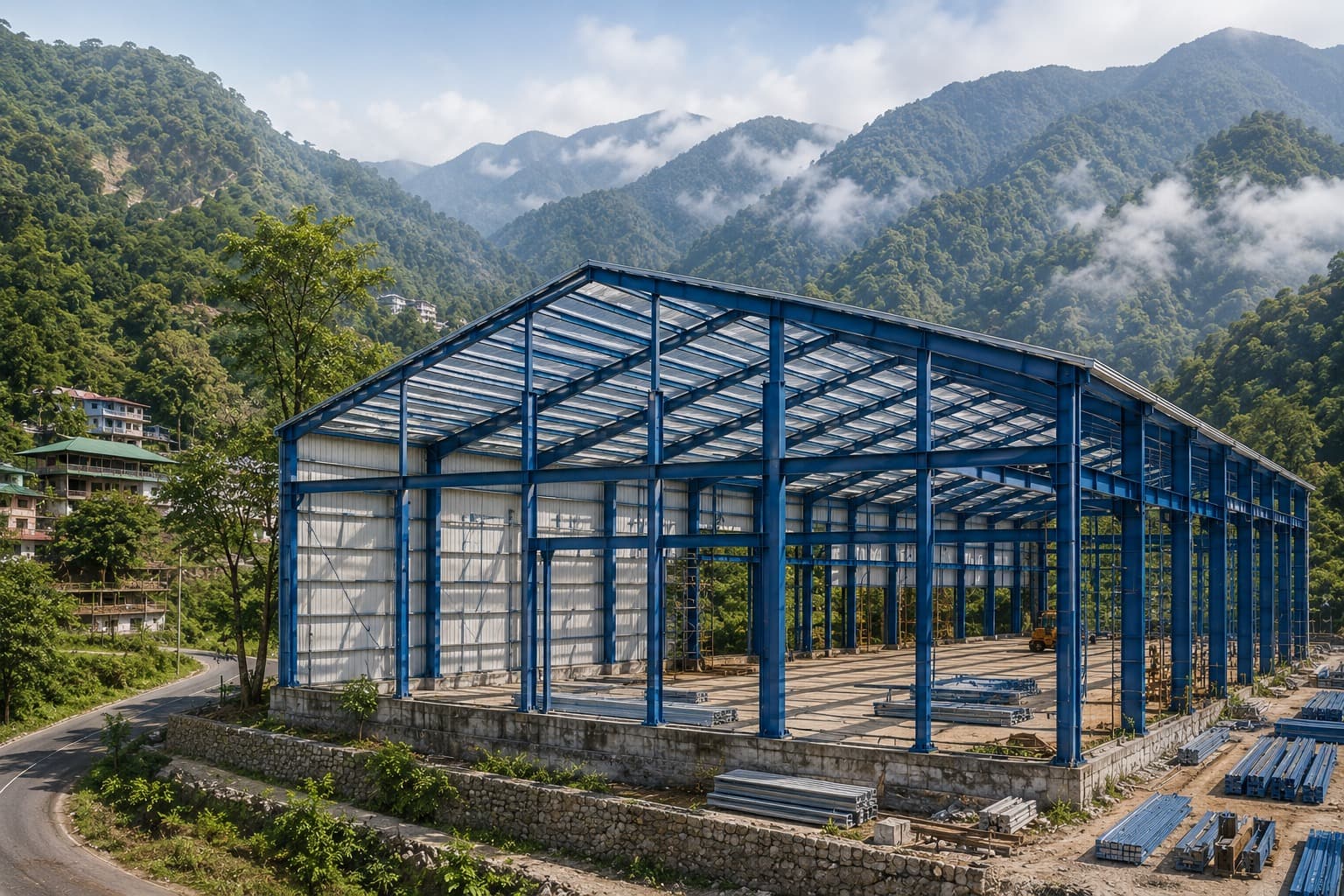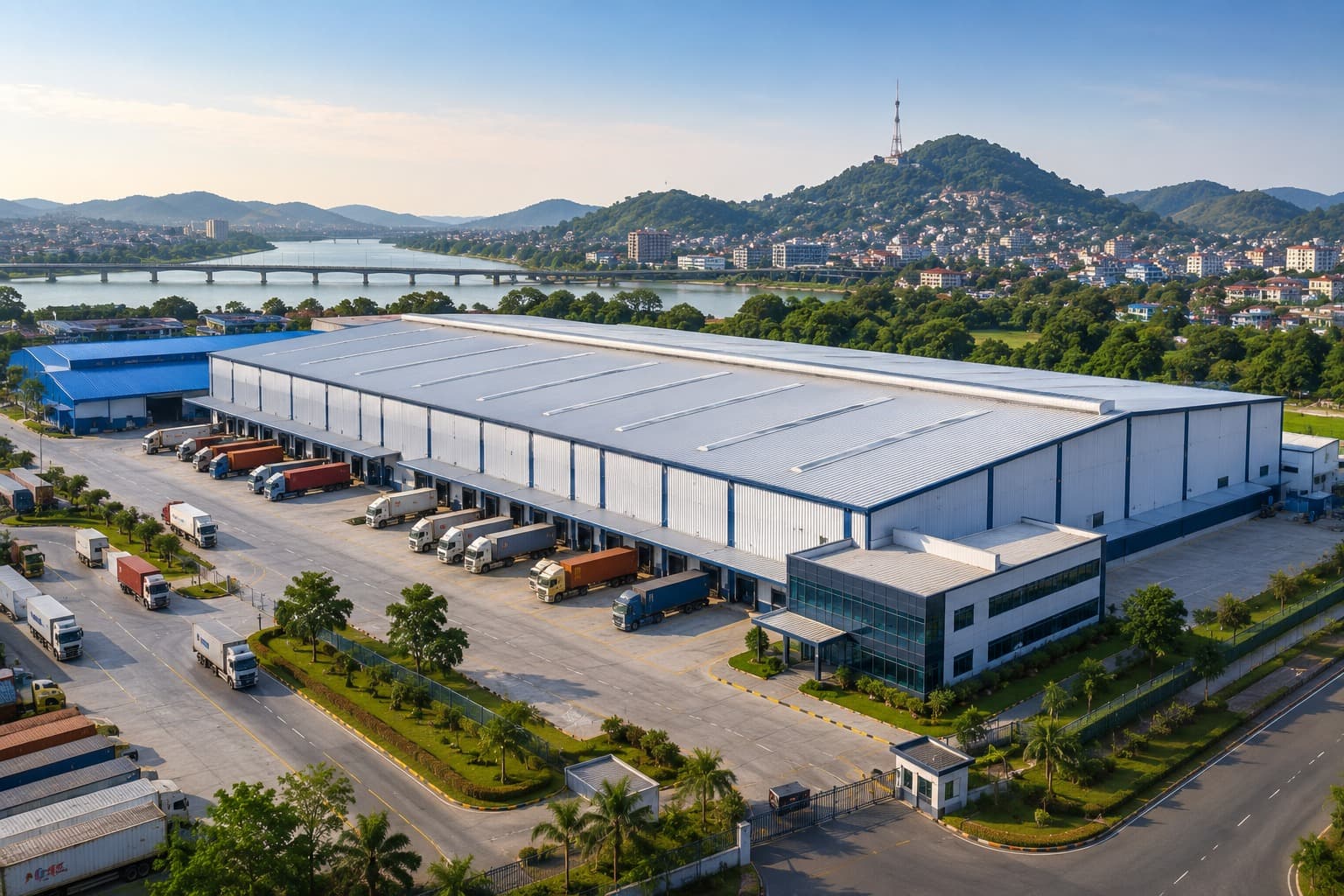
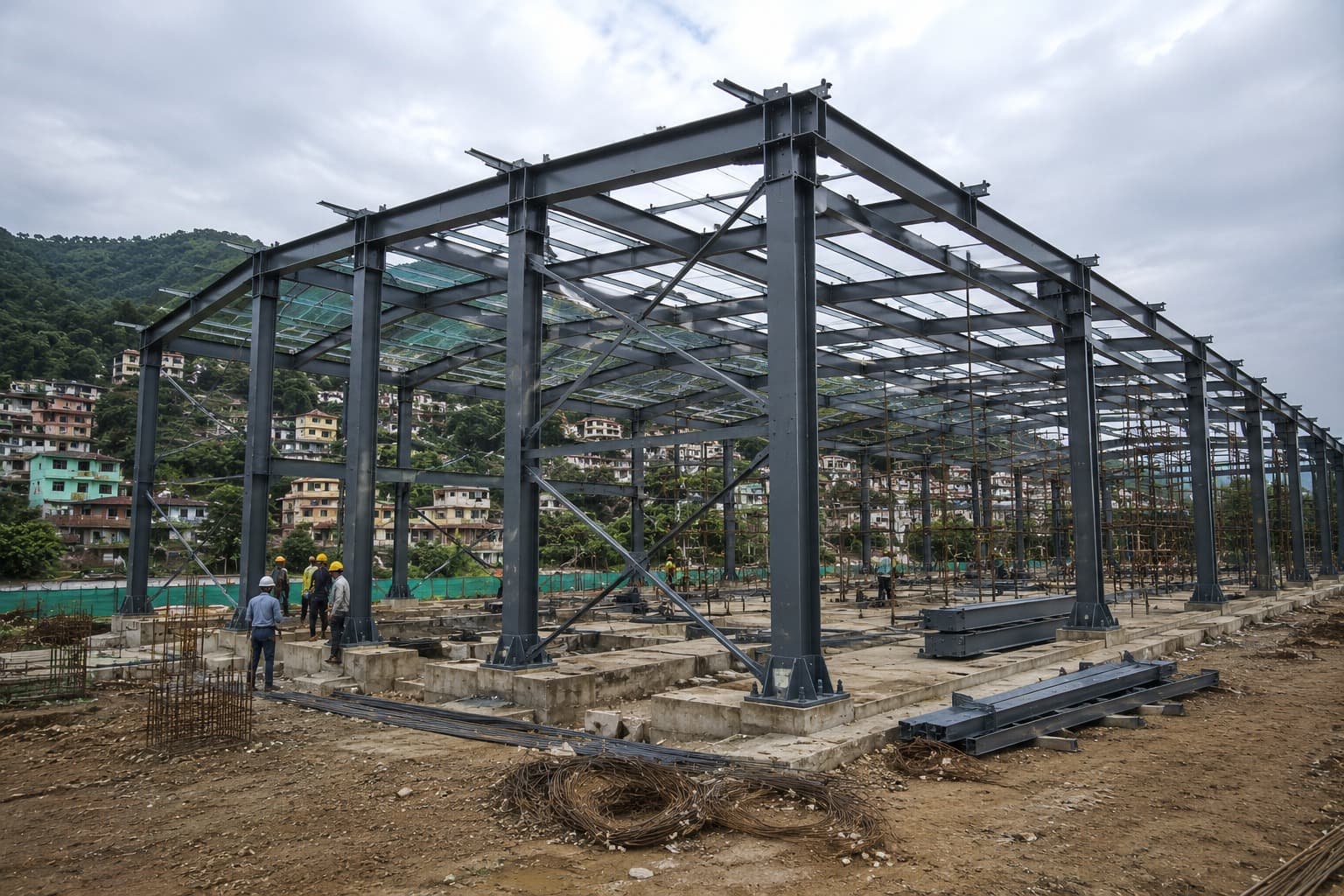
Building safe, long-lasting structures in Assam and the wider Northeast region requires a deep understanding of structural dynamics and geological conditions. Since the region falls under Seismic Zone V, every structure—whether an industrial shed, a commercial complex, or a heavy-duty bridge—must be engineered to withstand severe seismic tremors. At Structro Infratech, we implement cutting-edge structural engineering design methodologies to ensure that our steel designs provide superior durability and seismic protection, adhering to India's strict building codes.
The cornerstone of seismic design in India is the IS 1893:2016 code, which details criteria for earthquake-resistant design of structures. For steel buildings, this code is utilized in tandem with IS 800:2007, the code of practice for general construction in steel. Our structural designers use advanced 3D finite element analysis (FEA) software to simulate earthquake loads and analyze structural behavior. By optimizing the distribution of mass and stiffness, we minimize torsional effects and structural drift, creating a balanced skeleton capable of weathering tectonic movements without suffering catastrophic failure.
Ductility is the primary mechanical property that makes structural steel the ultimate material for earthquake-resistant design. While concrete tends to crack and collapse under sudden tension, steel possesses high tensile strength and can deform plastically without breaking. In our fabrication facilities, we utilize high-quality steel grades conforming to IS 2062, sourced from premier Indian manufacturers like SAIL, JSPL, and Tata Steel. This premium material, combined with precise weld details and high-strength friction grip (HSFG) bolts, allows our structural joints to absorb stress and maintain structural integrity during an earthquake.
In addition to material properties, the implementation of specific structural configurations plays a vital role in seismic safety. We employ sophisticated bracing systems—such as Concentrically Braced Frames (CBFs) and Eccentrically Braced Frames (EBFs)—to provide lateral stiffness. These braces act as structural fuses, absorbing seismic energy and protecting the primary columns and beams from damage. Proper foundation engineering, including robust pile foundations and anchored base plates, further anchors the steel structures to the unique soil conditions of the Brahmaputra valley, ensuring a stable and reliable foundation.
By prioritizing stringent quality checks, certified welding processes, and non-destructive testing (NDT), we bridge the gap between design theory and on-site reality. For developers, industrialists, and public agencies in Assam, investing in professional, code-compliant steel engineering is not just a regulatory requirement; it is a critical measure to protect human lives and secure high-value industrial investments for decades to come.